
Kata is not the cheapest place to buy in Phuket. That’s exactly why some investors keep looking at it.
The area has already done the hard part: it has name recognition, beach demand, restaurants, tour operators, family hotels, surf-season activity, and enough repeat visitors to support rentals without needing a new mega-development story every year. But Kata also has real limits. Land is tight. Hills are steep. Some buildings are dated. Traffic around the beach road can be annoying in high season, and low season is not something you can pretend away in a rental spreadsheet.
If your search is kata phuket investment property, start with one question: are you buying for pure yield, lifestyle use, or a mix of both? Kata can work for all three, but not with the same unit, not at the same price, and definitely not with the same expectations.
Independent property review. Not affiliated with the developer.
Kata in one minute
Kata sits on Phuket’s west coast inside Karon subdistrict, south of Karon Beach and north of Kata Noi. The main beach is one of Phuket’s best-known visitor areas, with a softer family profile than Patong and a more compact feel than Bang Tao.
The official Tourism Authority of Thailand lists both Kata Beach and Kata Noi as recognised attractions, which matters for investment more than people think. Search demand follows names people already know. A first-time visitor may not understand smaller subdistricts, but they know Kata, Karon, Patong, Bang Tao, and Kamala.
That brand recognition gives Kata a rental advantage. The catch? Everyone else knows it too, so the best-located stock is rarely cheap.
What type of buyer does Kata suit?
Kata is strongest for buyers who want an investment property they can also use personally for several weeks a year. Think winter escape, school-holiday base, or retirement trial run — with rental income covering part of the ownership cost.
- Rental-first condo buyers: usually want a studio or one-bedroom within a practical distance of the beach, restaurants, and transport.
- Lifestyle investors: often accept a lower yield if the unit has a sea view, larger balcony, or better owner-use comfort.
- Family relocation buyers: like Kata’s beach lifestyle, but they need to think about schools and daily driving. Most international schools are not around the corner.
- Villa buyers: can find privacy and views in the hills, but should budget seriously for maintenance, pool care, road access, and legal structuring.
I’d be cautious if you’re a spreadsheet-only investor trying to squeeze the highest possible yield out of Phuket. Kata is usually not the easiest area for that. Cheaper entry points may exist inland or in other districts. Kata’s investment case is more about established demand, scarcity, and lifestyle-backed resale value.
Kata investment snapshot
| Factor | What it means for buyers |
|---|---|
| Demand profile | Beach tourists, couples, families, repeat visitors, surfers in green season, and long-stay winter guests. |
| Best-performing locations | Walkable pockets near Kata Beach, Kata Noi view corridors, and well-managed hillside projects with shuttle or easy road access. |
| Main property types | Condos, serviced apartments, resort-style residences, resale units, and hillside villas. |
| Ownership route for foreigners | Foreign-freehold condominium is usually the cleanest route. Villa buyers need legal advice on leasehold or structure. |
| Key risk | Overpaying for a view while ignoring access, management quality, sinking fund, and low-season occupancy. |
Where in Kata should you look?
Kata is small on a map, but the buying experience changes quickly from one street to the next.
Near Kata Beach
This is the easiest rental story. Guests understand it, taxi drivers understand it, and the nightly-rental market understands it. If someone can walk to the sand, cafés, massage shops, mini-marts, and restaurants, your property has broader appeal.
But beach proximity is not magic. Some older buildings near the flat areas need careful inspection: common-area maintenance, drainage, noise, parking, and rental rules can matter more than the distance to the beach.
Hillside Kata
Hillside projects can offer better views, quieter surroundings, and a more residential feel. They can also be a pain if guests need a scooter for every coffee run. In high season, many tourists accept this. Families with strollers? Less so.
For investment, ask three blunt questions: Is there a shuttle? How steep is the final road? Would a 65-year-old guest be comfortable walking back at night? If the answer is no, price and rental assumptions should reflect that.
Kata Noi
Kata Noi is smaller, quieter, and generally more premium in feel. Supply is limited, and the best-positioned properties can command strong lifestyle demand. The tradeoff is liquidity: fewer comparable transactions, fewer new launches, and often a higher price per square metre.
Kata–Karon border
This can be a practical compromise. You may get better value than central Kata while still being close to two beach markets. For rental search filters, however, naming and positioning matter. A property marketed clearly as Kata/Karon may perform better than one buried under a vague district label.
Rental demand: strong, but seasonal
Kata has a clear high season. November to April is when beach demand is strongest, weather is more predictable, and short-stay rates typically improve across the west coast. May to October brings rainier weather, rougher sea conditions on many west-coast beaches, and more price-sensitive guests.
There is one interesting low-season offset: surf culture. Kata is one of Phuket’s better-known surf beaches during the southwest monsoon months. That doesn’t remove seasonality, but it gives the area a reason to stay active when some pure beach-holiday locations slow down.
A realistic rental forecast for Kata should separate:
- high-season nightly rates,
- shoulder-season discounting,
- green-season occupancy,
- owner-use periods,
- management fees, platform fees, cleaning, utilities, maintenance, and sinking fund.
If a rental model shows smooth monthly income all year, ask for the assumptions. Better yet, ask for comparable statements from units in the same building or nearby buildings. Projections are marketing. Actual booking history is evidence.
Property prices: how to think about value
Public listing portals for the wider Karon/Kata area show a wide spread because they mix older resale condos, hotel-managed residences, sea-view units, villas, and land. That makes average pricing a bit misleading.
For a buyer, the better question is not whether Kata is cheap or expensive. It’s whether a specific property earns its price through one of four things:
- Walkability: guests can reach the beach and restaurants without planning transport.
- View: real sea view, not a partial blue triangle seen from the corner of a balcony.
- Management: transparent rental operations, clear fee structure, and maintained common areas.
- Exit appeal: a future buyer can understand the value in 30 seconds.
That last point sounds simple. It’s not. Some properties look attractive on holiday but become awkward at resale because the access road is too steep, the legal structure is messy, or the building has poor financial discipline.
Condos vs villas in Kata
Condos are simpler. For most international buyers, a registered condominium with available foreign-freehold quota is the most straightforward ownership route. Foreign ownership of condo units is capped at 49% of the total sellable area of the condominium building, so quota status should be confirmed before reservation.
Villas are a different conversation. Foreigners generally cannot own land freehold in Thailand, so villa purchases often involve leasehold arrangements or more complex legal structures. Some buyers are comfortable with that. Some shouldn’t be. If you’re buying a villa in Kata mainly for investment, get independent legal advice before you fall in love with the view.
There’s also the practical side: villas need ongoing attention. Pools, gardens, air-conditioning, staff, pest control, repainting, roof checks after heavy rain — none of this is dramatic, but it eats into net yield.
Relevant project to review: Sun Hills Kata
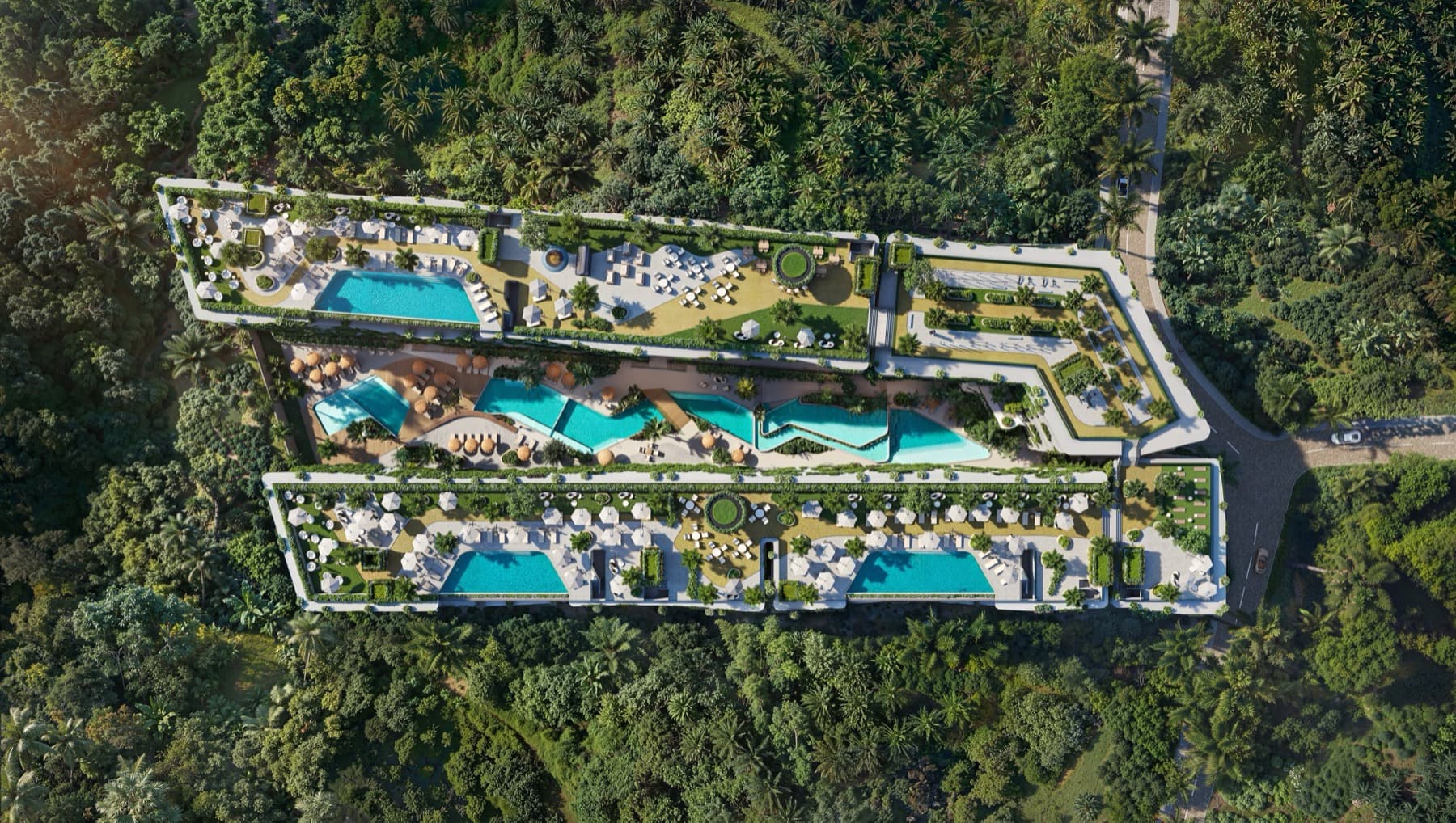
For buyers who specifically want a Kata-focused off-plan option, Sun Hills Kata belongs on the shortlist. It’s relevant because it targets the area demand rather than trying to sell a generic Phuket concept under a famous beach name.
I wouldn’t compare it only against other new projects. In Kata, you should also compare against resale condos in older but proven buildings, because those can show real rental history. Newer projects may offer better design and facilities; older projects may offer evidence. Both matter.
If you want, ask our team for a Kata shortlist with current price lists, foreign-freehold availability, and rental assumptions side by side. A clean comparison usually saves more money than negotiating blindly at the sales gallery.
Pros of buying in Kata
- Established demand: Kata is already known internationally, so investors are not betting on an area becoming popular later.
- Beach-led rental appeal: properties near the beach can attract short-stay guests without complicated explanation.
- Limited land supply: scarcity supports long-term value, especially for well-located or view properties.
- Lifestyle strength: restaurants, cafés, beach clubs nearby, family hotels, surf schools, gyms, and daily conveniences make owner-use realistic.
- Less nightlife pressure than Patong: still touristy, but usually easier for families and long-stay guests.
Cons buyers underestimate
- Seasonality is real. Don’t underwrite a Kata purchase as if every month behaves like January.
- Hills affect rentals. A great view can lose value if guests complain about access.
- Older stock varies widely. Some buildings are well run; others need capital spending.
- Traffic and parking can frustrate residents. Especially during peak weeks and around beach access roads.
- Not the strongest school location. Families relocating full-time may prefer Rawai, Chalong, Bang Tao, or Kathu depending on school choice.
Due diligence checklist before reserving
Here’s the checklist I’d use before paying a reservation fee in Kata:
- Confirm foreign-freehold quota in writing if buying a condo.
- Check the exact walking route to the beach, not just the distance on Google Maps.
- Ask for all fees: common area, sinking fund, rental management, utilities, cleaning, and furniture package.
- Review rental rules. Some condominiums restrict short-term rentals.
- Visit at different times: morning, sunset, and after heavy rain if possible.
- Inspect access road gradient for hillside property.
- Ask for building financials if buying resale.
- Check whether projected returns are net or gross.
- Use an independent lawyer, not only the developer’s recommended contact.
Small detail, big consequence: if the unit depends on shuttle service, ask whether the shuttle is included in common fees, how often it runs, and whether it operates in low season. Guests notice these things quickly.
Who should buy in Kata?
Buy in Kata if you want a west-coast property with proven tourist demand, personal-use value, and a location that future buyers can understand easily. It works best when the property has a clear advantage: walkability, view, management quality, or a price that leaves room for realistic net returns.
Don’t buy in Kata if you need the lowest possible entry price, dislike tourist-season crowds, or want a purely residential school-and-commute lifestyle. For that, other Phuket areas may fit better.
My practical view: Kata is a good investment area, but it’s not forgiving. A strong unit can rent well and hold attention at resale. A badly chosen unit — wrong hill, weak management, optimistic rental sheet — can sit in the market looking almost right.
Next step
If Kata is on your shortlist, request a current price list and compare it against nearby Karon and Kata Noi options before reserving. Our advisors can prepare a small, evidence-based shortlist with ownership type, distance to beach, expected fees, and rental assumptions clearly separated.
WhatsApp is usually fastest; our team normally replies within 3–5 minutes during working hours.