
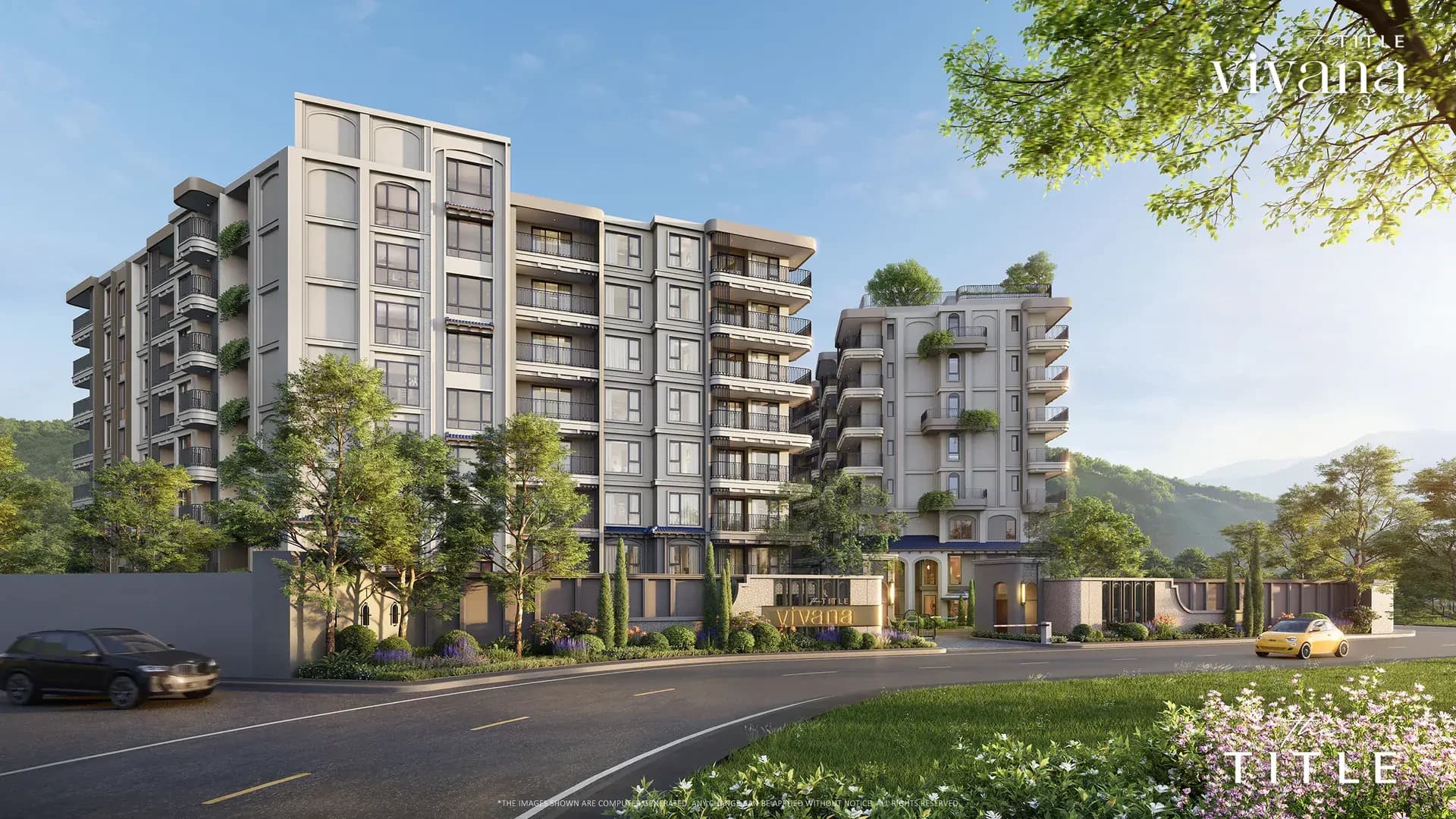
The apartment may work beautifully. Getting home with groceries, a tired child and a wet umbrella is a different test. When comparing Phuket condo parking, ask what your household can actually use, how the spaces are managed and how you reach your front door. A parking total alone does not answer those questions.
Start with your likely vehicles: a car, a motorbike, occasional guests or an electric car. Then compare the parking plan with the apartment you want. The useful answer is a route and a set of terms you can live with.
Read the parking total in categories
A project factsheet may separate ordinary car spaces, accessible bays, EV spaces, motorbike parking and parallel parking. Keep those labels when comparing projects. Adding every category into one headline can conceal the arrangement that matters to you.
For example, The Title Vivana's official factsheet lists 155 car spaces, including eight EV spaces and seven accessible spaces. It lists 34 parallel spaces and 40 motorbike spaces separately. The EV and accessible spaces are already included in the car total; adding them again would count them twice.
That is a useful description of the planned provision. It does not establish which bay, if any, is assigned to a particular apartment, or how a second car would be handled. Those are separate questions for the written parking terms.
| What you see in the materials | What to establish for your household |
|---|---|
| A total number of car spaces | Whether residents use shared spaces or have an allocated bay |
| Additional parallel parking | How vehicles enter, leave and move when another car is in the way |
| EV spaces | Whether charging equipment is included, how access works and how use is billed |
| Accessible spaces | Eligibility, access arrangements and the route to the lift |
| Motorbike spaces | Where they are, and whether vehicle registration is required |
Ask what the apartment's parking entitlement means
Before reserving, ask Invest Phuket to obtain the terms that apply to the selected home. A verbal “parking included” leaves too much open.
Ask whether the arrangement provides a specific bay, access to shared parking or permission to register a vehicle. If there is an allocated bay, ask to see its location and the document identifying the arrangement. If parking is shared, ask how access is managed when the spaces are occupied.
Then add your less ordinary days. Can you register a second vehicle? Can a visiting friend park overnight? What happens when a rental car replaces your usual car? Are there separate charges or limits for any of these situations? These are questions to resolve for the project, not terms to assume from another condominium.
Trace the trip from the car to your door
The position of parking can change which building suits you. The Title Balcony's official project information describes a separate parking building alongside its residential buildings. That makes the route between the parking building and the chosen apartment worth examining.
Use the site plan to locate the vehicle entrance, parking, pedestrian exit, lift and residential entrance. Ask where you would unload bags, whether that stop is permitted, and which parts of the walk are covered. A pleasant garden path and a convenient luggage route serve different purposes.
For a completed property, walk the route during a viewing. Try it with the needs you actually have: a pushchair, shopping trolley or a family member who needs step-free access. For an unfinished project, ask for the relevant plans and specifications; an attractive exterior image cannot establish gradients, thresholds or rain protection.
You can explore The Title Balcony in Nai Yang and The Title Vivana in Kamala as two project examples. Compare each apartment with its own building and parking arrangement before deciding which fits.
Check your vehicle, then check charging
Bring your car's dimensions to the conversation, including any roof box you intend to use. Request the bay dimensions, entrance height limit and details of ramps or tight turns that affect access. For an existing property, arrange a permitted drive-through rather than judging the fit from a photograph.
If an electric car is part of the plan, separate the space from the charging service. Ask about installed equipment, connector compatibility, booking, charging charges and any time limit. Also ask who handles a charger fault and what alternative you would use while it is unavailable.
Vivana's factsheet labels EV spaces, but that label alone does not confirm charger specifications, a tariff or unrestricted overnight charging. Keep those items open until you receive the operating details. If you want a private charger, ask about permission and technical assessment before assuming installation is possible.
Make parking part of the shortlist
A household using a car every day may rank covered access and predictable parking ahead of a preferred floor. Someone who seldom drives may put more weight on visitor access and a practical pickup point. Neither choice needs a universal “best parking” score.
Record the answers beside the apartment plan: vehicle access, allocation, extra-vehicle rules, charging and the walk home. Our condo facilities guide covers the wider questions about shared spaces, opening hours and charges.
Send Invest Phuket your shortlisted apartments and how you expect to travel. We can help request the relevant parking terms and plans, alongside the current price and payment options for your chosen home.